
Congratulations, you did it! Be proud—you and your baby are thriving in your breastfeeding journey! This section also helps you know when and how to wean your baby.
Using Bottles with a Breastfed Baby
Nursing your baby at the breast is the easiest way to feed when you are together. But when you're separated, one common way to feed your baby is with a bottle of breast milk you've expressed.
Using a bottle to feed your baby is different than feeding your baby at your breast. Talk to your WIC breastfeeding staff about when to start teaching your baby to bottle feed and the best ways to practice. WIC breastfeeding staff can also help you with bottle feeding technique and show you how to do it.
Here are some tips for using bottles with breastfed babies. Be sure to share these tips with your partner, your mom, or other child care provider so they can help you continue your breastfeeding journey.
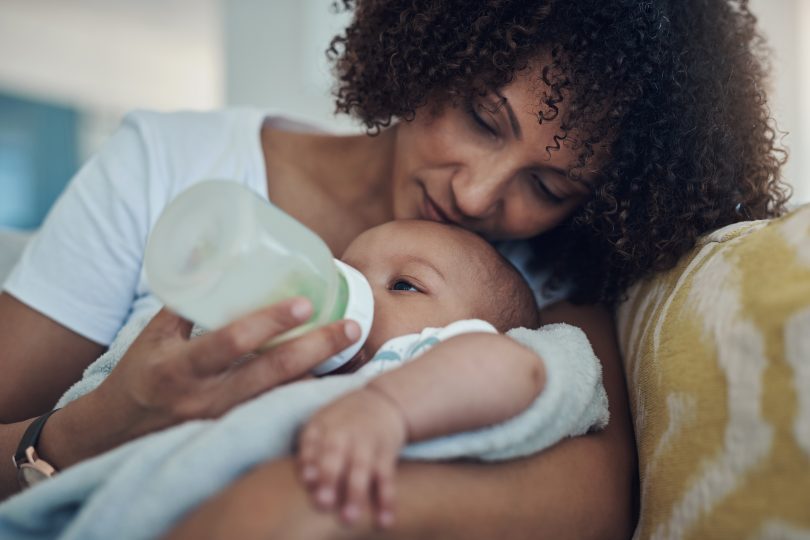
- Hold your baby snugly and fairly upright. This will give the baby comfort and control.
- Hold the bottle at an angle. This will limit the amount of air the baby swallows. Burp your baby at regular intervals.
- Switch sides. If your baby takes a break or needs to burp, use this pause to switch the baby to the other side and continue feeding. This also gives your baby a new view!
- Let someone else offer your baby breast milk from a bottle. Your baby may be more likely to accept breast milk in a bottle from your partner, your mom, or another loved one at first, since the baby is used to nursing from your breast.
- Give your baby time to adjust. If you're going back to work or school, in the week or two before you go back, try giving your baby one or two feedings a day from a bottle. This will get the baby used to bottle feeding. It may take your baby several days to adjust. Once they're used to it, most babies do great going back and forth between breast and bottle.
Knowing When Baby is Full
Look for signs that your baby is full, such as turning away from the bottle or keeping lips closed. Don't force your baby to finish a bottle.
Make sure your caregiver knows the signs that your baby is full so they don't overfeed. When your baby is not overfed, you can better keep up with your baby's breast milk needs while you are pumping or hand expressing.
Traveling with Your Baby
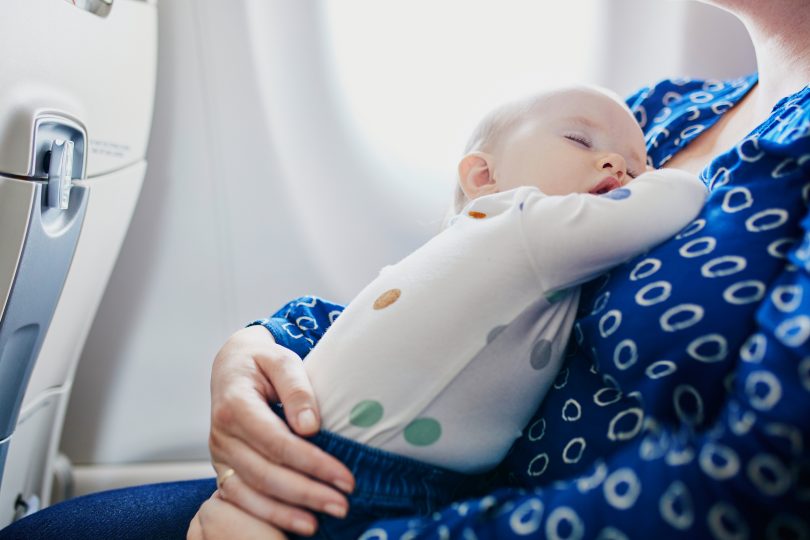
Whether you are a first-time traveler or a pro-traveling mom, you may have concerns about how to manage breastfeeding on your journey.
To pump or not to pump
When traveling, some moms find it easier to breastfeed directly, while others prefer giving their breastmilk in a bottle. Choose the option that feels right for you! If you plan to provide breastmilk in a bottle, be sure to know how to pump or hand-express before you travel. Milk expression helps to:
- Keep up your milk supply.
- Relieve full and/or engorged breasts.
- Have your milk on hand if you are not able to directly feed your baby.
- Allow family members to help with feeding the baby.
Traveling plan
Depending on how you are traveling, by car, bus, train, or plane, traveling with your baby can become less stressful when you plan ahead and roll with the unexpected.
- Mimic your home routine: Try to keep sleeping, feeding, and diapering routines as close to your home routine as possible.
- Make a list: Write down the time you plan to breastfeed before your trip begins, along with the items you need to feed your baby on the go to make your trip smoother. Such items may include:
- A nursing cover: Breastfeeding in public may seem intimidating. Many airports and trains have designated private areas for breastfeeding, but if you cannot locate one, having a nursing cover or blanket handy can help you breastfeed more discreetly. Try practicing with the cover before your trip to build up your confidence.
- Nursing bra: Wearing a nursing bra can also help when breastfeeding in public, making the experience easier while traveling.
- Breast pumps, storage bags or bottles, and a portable cooler: If you plan to pump while traveling, having these essentials is essential. You may also need an electric adaptor or batteries for your pump. To ensure your breast milk is stored properly, a portable cooler with ice or gel packs is needed. Remember to place your expressed breastmilk in the refrigerator or freezer as soon as possible.
- Baby carrier: Provides ease of getting around, keeps your baby close (for comfort), and can be used discreetly for feeding while traveling.