News | Announcement, Community
HealthySteps: Helping Children Thrive and Parents Feel Supported
Ryan Health | Women & Children’s is making a big difference for families in New York City. One of our most important programs is HealthySteps, which helps parents and young children get the support they need during the early years of life. With help from the United Hospital Fund (UHF), Ryan Health also has been able to focus even more on screening parents for postpartum depression during their children’s pediatric visits.
What Is HealthySteps?
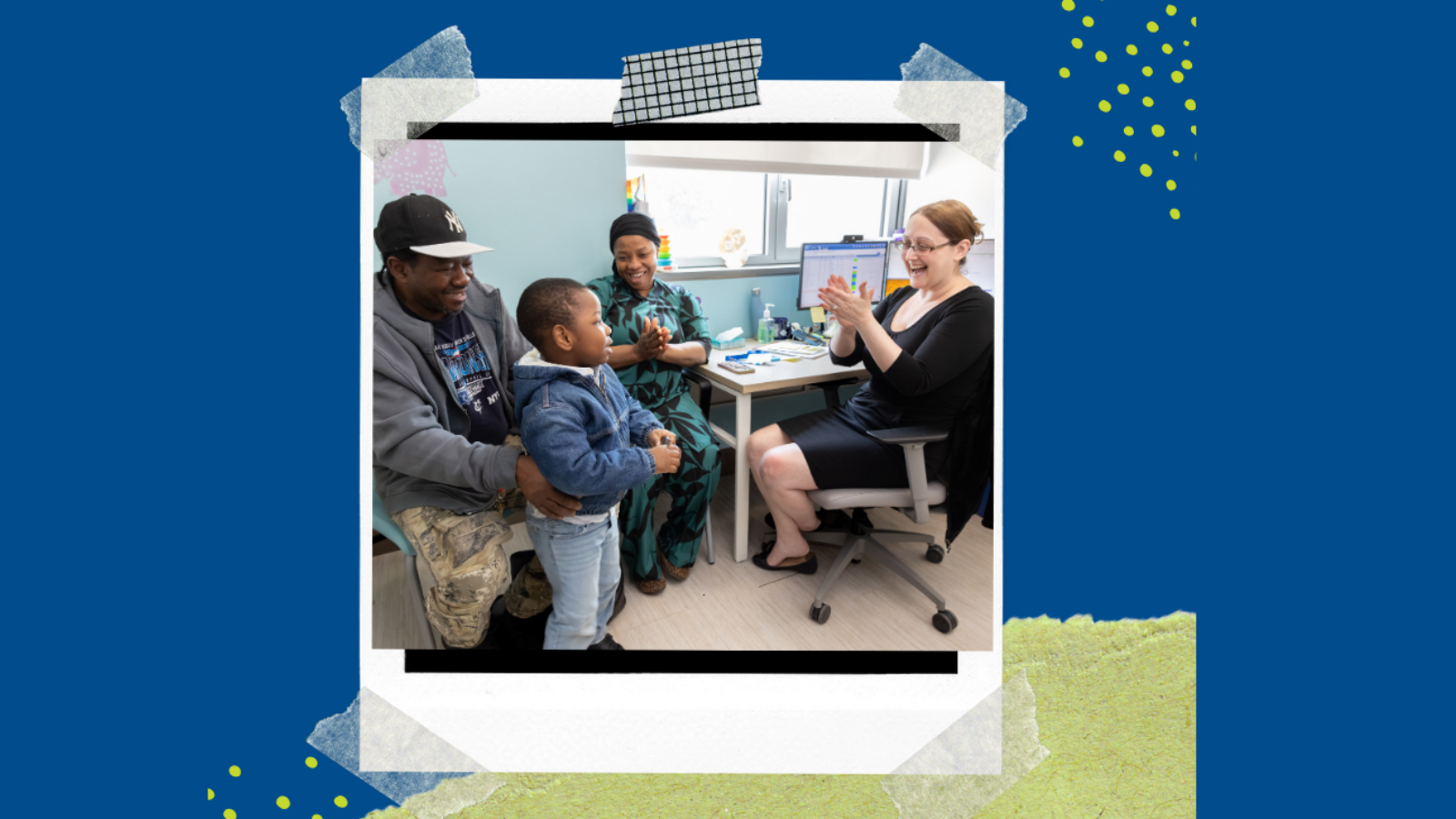
HealthySteps is a national program that works with pediatric centers to support families with children from birth to age five. At Ryan Health | Women & Children’s, HealthySteps supports families during well-child visits, with screenings provided at many visits and joint well-child visits available for families enrolled in the program. The program helps parents with questions about their child’s development, behavior, and health. It also connects families to resources like mental health services, early intervention, and parenting support.
HealthySteps also includes a range of screenings throughout early childhood, from 2 months through 5 years of age, including developmental, social-emotional, autism, social drivers of health (SDOH), and adverse childhood experiences (ACEs) screenings for children and parents.
Any child can be referred to the program if there are concerns about development, behavior, trauma, or family stress. Providers can refer families based on what they see during visits or what parents share.
HealthySteps can help with everyday parenting questions, too. It could be just general development questions and behavior management, where the parent is looking for some parenting support.
Postpartum Depression Screening
With the support from UHF, the HealthySteps program has been able to increase screening for postpartum depression. The screenings for postpartum depression are built into the regular part of the screening of the child and mother during pediatric visits. These screenings happen at the two-month and 18-month well-child visits, which are important times for checking in on both the child and the parent.
Why Screen for Postpartum Depression?
Postpartum depression is a common problem that affects many new mothers. It can make it hard for parents to care for their children and themselves. By screening for depression during pediatric visits, we can help mothers get the support they need early on.
During the two-month and 18-month well-child visits, mothers are given a screening tool to check for signs of depression. If a mother screens positive, the provider talks with her about what support she might need. Sometimes, mothers are already connected to therapy or other resources. If not, our team help connect them to mental health services or other supports. Even if a parent doesn’t screen positive for depression, the screening can open up a conversation about how they are feeling.
Connecting Families to Services
If a mother is not already connected to mental health services, we work with her to find the best option, whether that is with the Ryan Health | Emotional Wellness Center or a whole array of referrals to other programs in the community. We consider the parent’s preferences, where they live, and how urgent their needs are.
Sometimes, parents are not ready to start therapy right away, which is okay. HealthySteps can be a “gateway” to other services that a family may need. We stay in touch with families, check in during well-child visits, and build trust. Over time, parents may feel ready to take the next step.
Making a Difference for Families
Ryan Health’s HealthySteps program is helping families in many ways. By supporting children’s development, screening for postpartum depression, and connecting parents to mental health services. The program is setting families up for a better future. As more families benefit from HealthySteps, Ryan Health is showing how pediatric care can support the whole family. The lessons learned from the postpartum depression screenings are helping improve all the center’s screening programs, from development to social drivers of health.
---